

2026 is the year of the little guy.
Apple, the most controlled brand on earth, the brand of white space and brushed aluminium, launched the MacBook Neo and turned its file manager into an internet celebrity. Lil Finder Guy. The blue and white Finder face, now with a body, the internet lost it, within days you could buy 3D prints, and people were begging for merch.
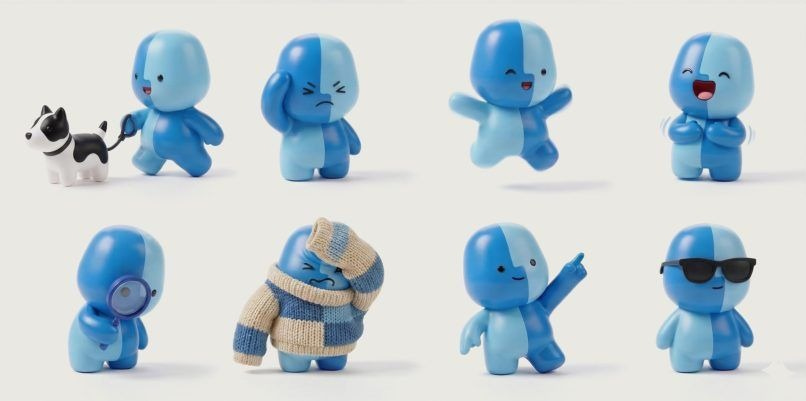
I’ll be honest, I want him as a desktop toy, he’s cute. Am I being marketed to? Obviously. Do I mind? Apparently not.
Mascots have gone out of fashion for the best part of two decades. They were maybe seen as kinda cringe, and with the rise of digital marketing, maybe it was hard to measure ROI on them. Now, they seem to be having a resurgence, and I think they show where branding is heading.
a brief history of mascots
The word comes from the French mascotte, meaning a lucky charm. Medieval heraldry used boars, lions and stags to signal lineage and power. By the 1880s English speakers used it for any animal, person or object believed to bring a group good fortune, like ship’s figurehead.
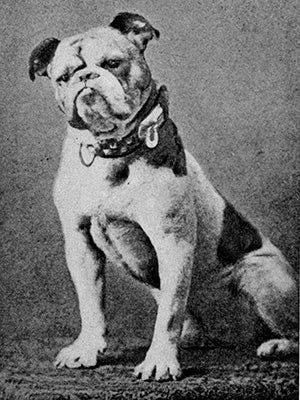
In the U.S. sports teams frequently used live animals on the sidelines as a mascot, Yale’s Handsome Dan was a real bulldog used as their mascot, however over time live animals turned out to be hard to manage, so by the 60s and 70s they became friendly oversized costumes.
Brand side, the little guy really took off when telly arrived. In Britain, where commercial TV took off in 1955, it meant chimps having tea parties for PG Tips, a sheepdog selling paint for Dulux, Charmin the bear, and Churchill’s nodding dog. For roughly three decades, if you wanted to be remembered, you created a Mascot.
kinda cringe
Somewhere between the 2000s and the 2020s, advertising swapped broadcast for digital. The new social algorithms rewarded clean, minimal sans-serif wordmarks that looked crisp on a tiny phone screen.
Welcome to the “blanding” era.
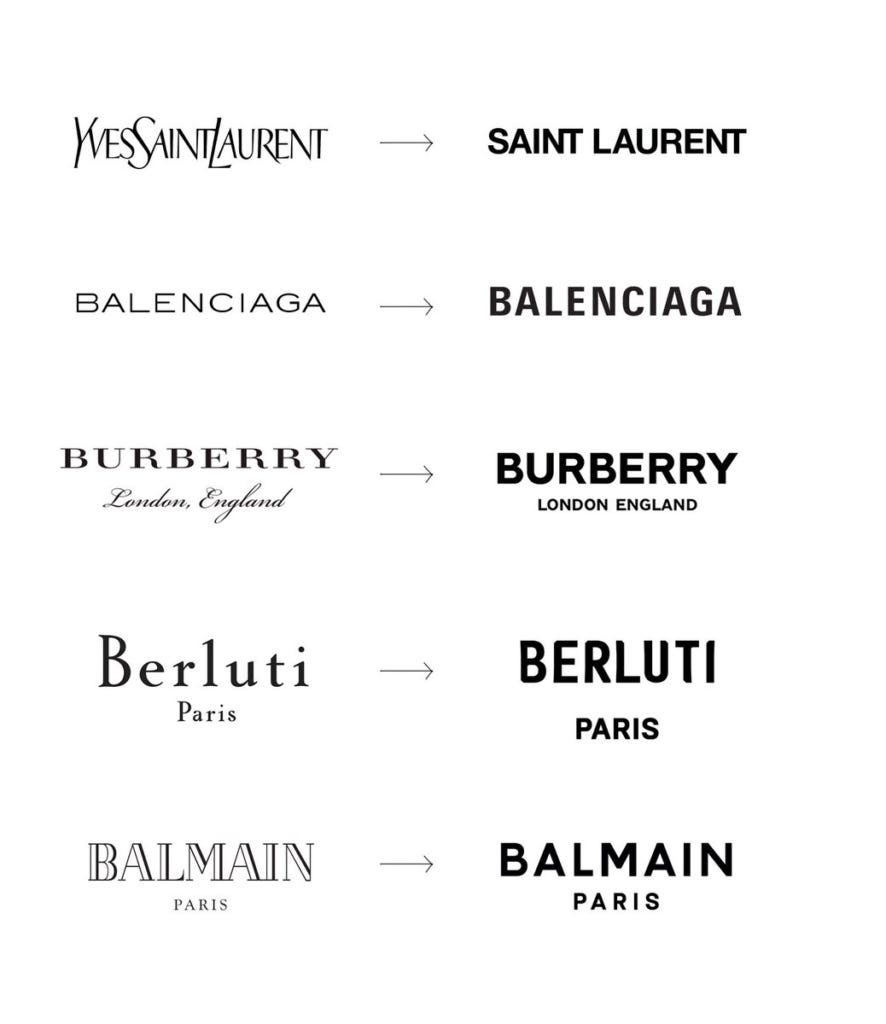
In this world characters didn’t fit. They felt childish next to the grown-up minimalism, and they were hard to justify on a performance dashboard, and broadcast media figures dropped. Additionally, they were expensive to produce and hard to manage. So, brands slowly stopped using them. Among IPA Effectiveness Awards entries, the share of campaigns using a recurring character fell from 41% in 1992 to 12% by 2019.
The thing is, mascots work! Campaigns with a recurring character are 37% more likely to grow market share and 30% more likely to grow profit.
let them have PERSONALITY
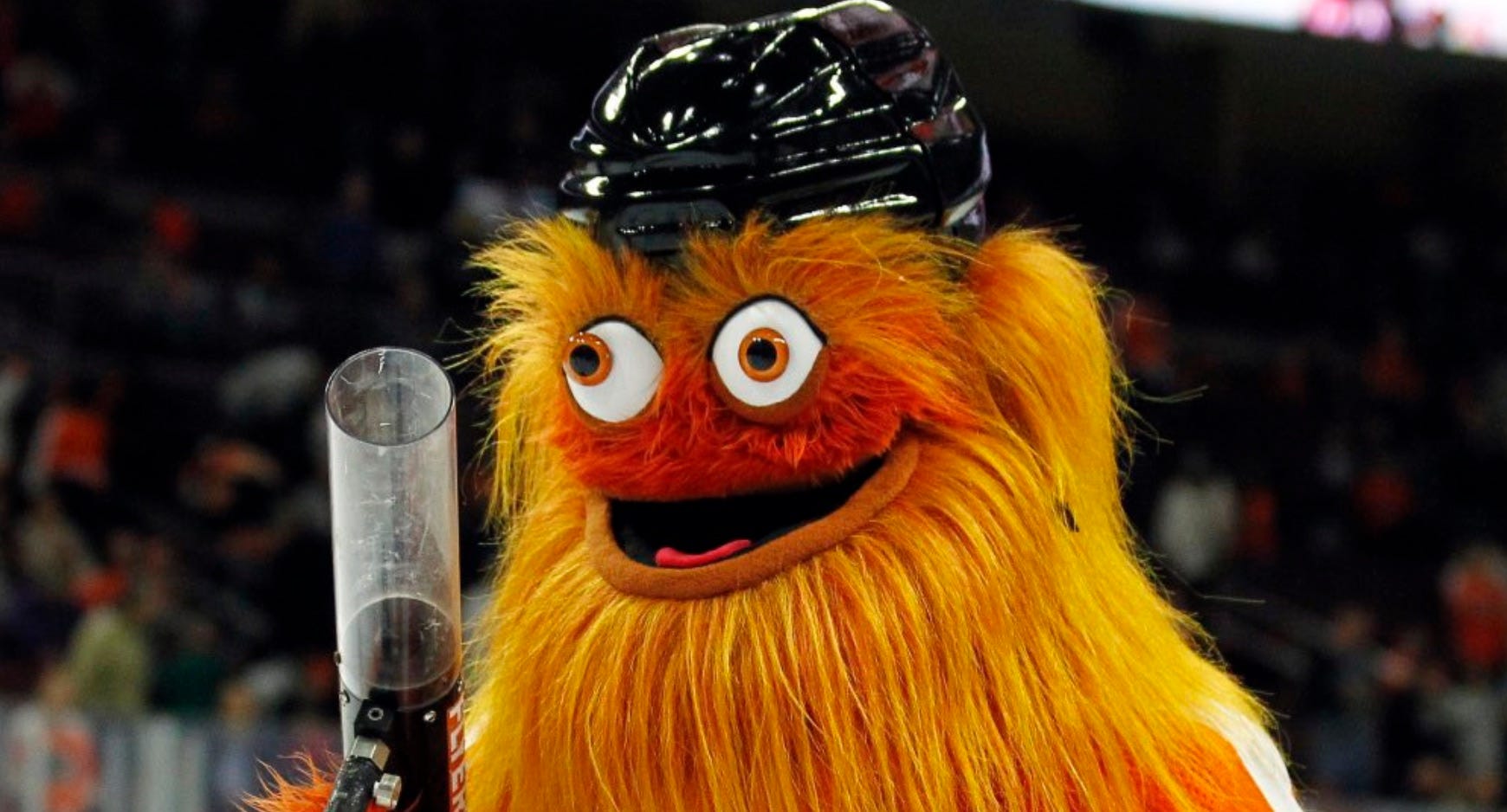
The pendulum started swinging back with Gritty. In 2018, the Philadelphia Flyers unveiled their first mascot in over 40 years: a seven-foot, googly-eyed orange creature who was not cute in any traditional sense. He fell over at his first game. The internet found him meme-able and hilarious, but they let him have personality, when a rival team tweeted “lol ok,” Gritty replied, “Sleep with one eye open tonight, bird.” Within a week there were Gritty doughnuts and Gritty tattoos.
I know nothing about hockey, and I know exactly who Gritty is.
In 2019 internet users began joking about Duolingo’s owl “Duo” holding them "hostage" or crying if they missed a daily lesson. Duolingo leaned heavily into this meme, launching unhinged TikTok videos, April Fools' jokes, and viral marketing stunts (including a famous 2025 campaign where Duo dramatically "died" and returned after users hit XP milestones).
Now the floodgates are open in 2025-2026:
Kellogg’s rebooted Cornelius the cockerel in 3D, the first time he’s ever been a fully developed character
Burberry stitched its century-old Knight across London to the Tate for London Fashion Week, and brought him back in the logo lockup
PG Tips brought Monkey back for a reality-TV-style ad, “At Home with Monkey”
British Gas invented a whole fluffy blue family, the Things, and launched them during Gogglebox
Apple gave us Lil Finder Guy
Crocs hatched Niles live on social, the crocodile that’s been on the rivet since 2002
They’re all mascots, but they’re not all the same. Burberry’s Knight is an emblem. Cornelius is a character. Monkey is a full persona who gives interviews. The core thing they do though, is express the brand.
what a mascot actually does
Quick bit of brand theory. A distinctive brand asset is anything that isn’t your name but still makes people think of you, a colour, a shape, a sound, a character. Coca-Cola red, the Mastercard circles, Compare the Meerkat’s “Seimples'“. Their job is to trigger your brand in a split second, and every time someone sees one, the memory gets a little stronger.
Mascots are the overachievers of the group. A colour can make you recognisable, but a character can make you recognisable and make people feel something. System1 calls this a fluent device, an asset that builds recognition and emotion at the same time. Ipsos found that assets a brand owns, like characters and sonic cues, beat the ones it borrows, like celebrities and licensed music. As much as I love Kate Moss for Diet Coke, a character can’t get cancelled, can’t defect to a competitor, and never asks for a renewal fee.
so why now?
Brands need distinctive assets more than ever.In a wash of AI and endless content, being remembered isn’t enough. Your brand has to be loved, or you die. An Ipsos and JKR study of thousands of brand assets found only 15% were truly distinctive, and fewer than one in five logos made the top tier. Characters were one of the few assets that reliably bring a brand to mind.
They’re especially powerful when there’s nothing to hold. Fran Clayton, chief strategy officer at Ogilvy Australia and New Zealand, says mascots are “really effective across categories” but particularly helpful “when you’ve got no physical products.” As she puts it, “The shape of a Coke bottle is instantly recognisable, but it’s so much harder if you’re selling an insurance policy or a phone plan.” Digital and service-based brands have the most to gain.
They are also returning because I think as a culture, we know we’re being sold to. As Ogilvy puts it in its white paper The Character Advantage, “Most advertising is designed to be noticed. Very little of it is remembered.” Under half of ads get credited to the right brand once they finish. A mascot fixes the branding problem without killing the fun, and ads with one hold attention 50% longer.
The final and slightly sad reason I think they are making a return is that the world is looking a bit bleak. A little joy, fun and play goes a long way right now.
meet Roger Bowman
Which brings me to our new mascot.
This is Roger Bowman. He’s Cupid, and he’s Kiss’ mascot.
We’d be hypocrites if we spent our days telling brands to be distinctive and then hid behind a tasteful wordmark.
Cupid represents “Brands that Kiss” in character form. Cupid fires arrows that make people fall for each other, and that’s what a great brand does. We go deep, looking for the soul of a business, the thing that makes everyone in the room say “that’s it, that’s us”. Once we’ve uncovered the heart we look for how that heart connects to another - a customer, supplier, buyer, employee. The trajectory of Cupid’s arrow propelling forwards to the bullseye, “From soul to society.”
So, should every brand go and get a mascot?
No, but every brand should ask why it hasn’t got something like one.
In a world of lookalike brands and infinite content, indifference is the real killer. People don’t remember what they don’t feel anything for.
The goal is find the brand asset only you could own. A character, a colour, a sound, a tone of voice, your particular flavour.
Be loved, or be forgotten.
We chose Cupid. What’s yours?
Written by Eve Macdonald
Strategist at Kiss Branding
Love or Die
See our website here