


Home used to be where your heart was. Now? It’s where your landlord’s mortgage gets paid, your remote work desk sits three inches from your pillow, and your housemate eats your snacks without asking.
For Gen Z and Millennials across the UK and the Anglosphere, the traditional “property ladder” has lost a few rungs, replaced with a steep monthly direct debit to a private landlord. The average first-time buyer is now 33.9 years old, up from 30.3 in 2007, and puts down a deposit of around £61,000. Saving that while renting takes around 28 months' worth of rent in most areas, and up to three years in London. No wonder 52% of first-time buyers got help from the Bank of Mum and Dad in 2024, to the tune of £9.6bn.
Homeownership now feels less and less like an attainable adult milestone. Six in ten British renters believe they'll never be able to afford a home, and the share of 18–24 renters who think ownership is out of reach for good has climbed from 12% to 19% in five years. Ownership among under-35 households has actually risen over the last decade. But "eventually, probably, with family help, in your mid-thirties" is a very different world from the one their Gen X, bought-it-and-had-a-baby-by-25, parents had. After all, if skipping your morning flat white still won’t even buy you a front door, what is the actual point?
However far from sinking into passive despair, young renters are still trying to have agency in spaces they can’t own, so, if you can’t be a Homeowner, you become a Host.
The “Host” as the Ultimate Cultural Flex
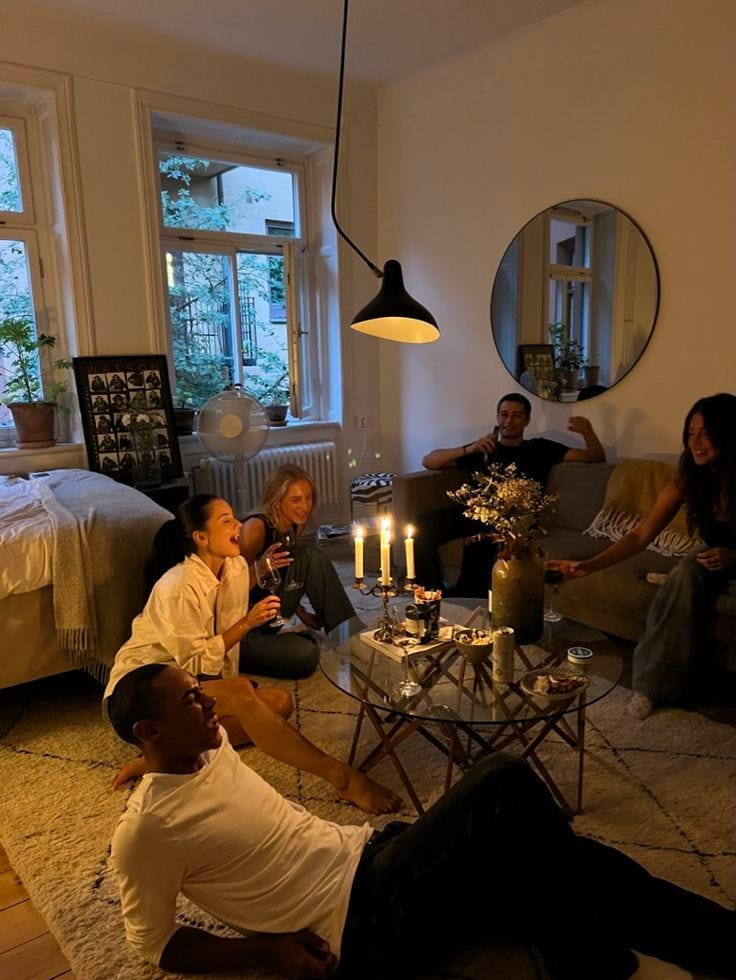
Despite popular media narratives claiming Gen Z is a prudish, anti-social cohort of screen-addicts who don’t drink, don’t party, and don’t leave their rooms, I think something much more nuanced and fun is happening. Blocked from traditional third spaces by the cost-of-living, young people aren’t giving up on connection.
With the average pint now costing £5.34, or £6.55 in London, and restaurants enforcing strict 90-minute table turnarounds, it's no surprise that 61% of 18–30s say they're going out less than a year ago, and 42% of Gen Z say money limits their social lives. So, I believe the party has moved indoors. 63% of young Europeans would rather gather at someone's house than go out, and nearly half of UK 18–34s are hosting more often than they were five years ago.
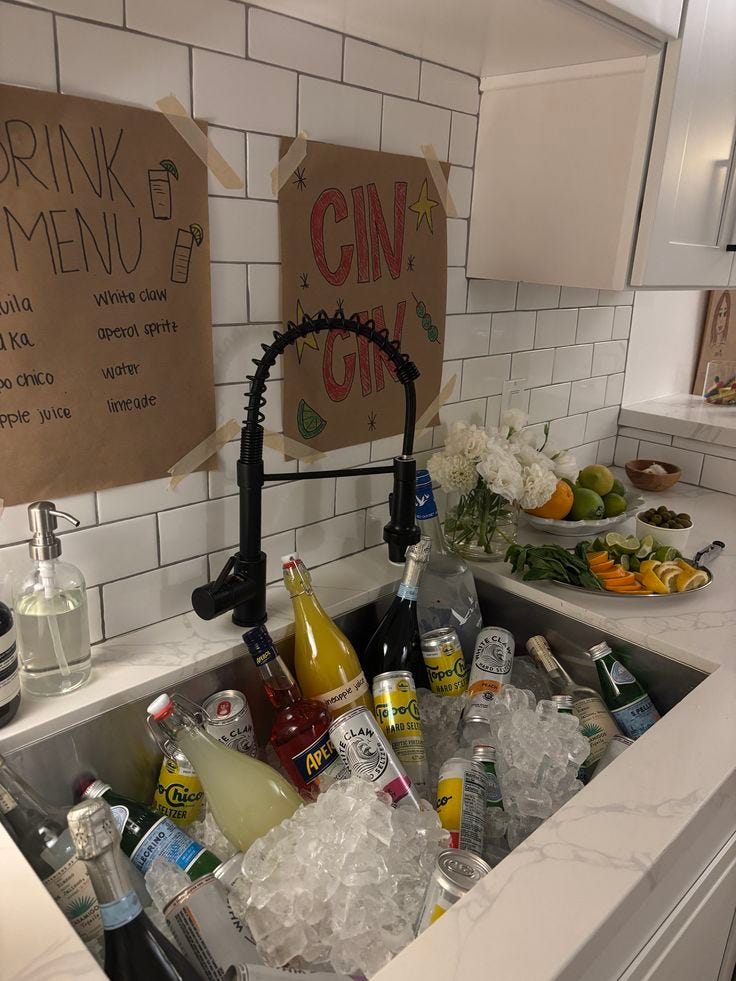
In 2026, hosting is a status symbol, and a bit of a lost art. It’s all about flexing your soft skills and exposing your cultural capital.
Being a host requires an increasingly rare set of interpersonal skills. A successful host must have the cultural sensitivity to read the room, curate guest lists that don’t clash, steer clear of conversational friction, and design an environment where people feel safe enough to drop their guards.
The lasting success of books like Priya Parker’s The Art of Gathering, or deep-question card games like We’re Not Really Strangers, suggests there’s a desire for an external architecture to these events that needs to be relearned.


Drifting through an overwhelming digital landscape, a status symbol like hosting is deeply appealing because it’s non-material. Building a functioning, healthy, regular in-person social life (and maybe capturing it for the feed) is worthy of showing off to a generation starved of traditional stability and connection.
From Equity to Agency
For previous generations, the financial incentive of housing was clear, if you pay off a mortgage, you build equity, and lock down ultimate control over your domain. For the long-term-rental generation, equity is off the table, which leaves agency as their aspirational ideal.
Things have been changing a little, since May 2026, in the UK the Renters’ Rights Act has ended no-fault evictions and made it harder for landlords to refuse pets. However, security isn’t the same as self-expression. When you still aren’t allowed to knock down walls, mount shelves, or paint the hallway without forfeiting your security deposit, how do you claim real ownership over your space? You host.
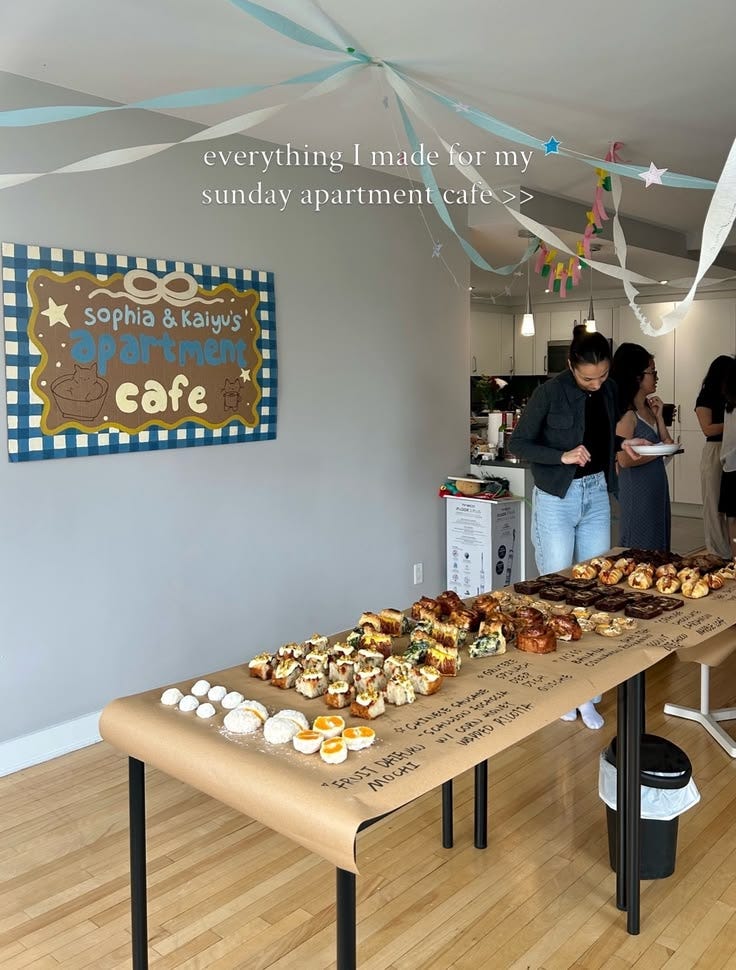
Homeowners host too, of course, but renters have the most to gain from it. Creating an intentional event (a themed dinner party, a makeshift espresso bar on a Sunday morning, or a competitive PowerPoint presentation night) is a temporary takeover of space. It transforms a sterile, whitewashed flatshare into a space that you have complete control of. You don’t own the square footage, but for four hours on a Friday night, you control the atmosphere, the playlist, the lighting, and the guest list.
Doom Spending
When an entire generation collectively realises they'll likely never afford a £226k starter home (£472k in London), their financial mindset undergoes a fundamental shift. Enter the era of doom spending. The logic is “If the economy is broken and I won’t buy a home anyway, I might as well spend my disposable income enjoying my life right now.”
In fact, two thirds of UK 18–34s admit to buying themselves little treats more often when they're feeling low, and US research shows that as homes become less affordable, young people save less and spend more.
They aren’t saving for a deposit, but they are spending on pieces to impress when they welcome guests into their home. They’re dropping discretionary income on aesthetic thrifted glassware, mood lighting, niche board games, and conversation-starting interior pieces that make their rented spaces feel more like them.
Design for the Host, Not the Homeowner
Property developers, interior brands, and marketers who continue to treat young residents merely as passive “delivery points” for parcels and food apps are missing the emotional shift entirely.
Their rented spaces have become a place for self-expression and social survival. Young renters are relocating their public lives behind their front doors because it’s the only place left where they can control the budget and the vibe.
Some brands already get it. Waitrose published a full hosting guide covering guest lists, menus and table styling, while in the US, HelloFresh sold a Galentine's hosting kit with a table runner, candles, tarot cards and an apron. In London's rental buildings, the amenities getting booked out are private dining rooms and host kitchens, built for the birthday dinner a one-bed flat can't hold.
The takeaway for the market is obvious. Start designing for the Host. Sell them the agency, the tools, the aesthetic, and the conditions to gather, entertain, and reclaim adulthood on their own terms.
Oh absolutelyy! Hosting has become the primary way gen z curate and broadcast their identity. Happy its slowly becoming a trend