

Luxury travel is fracturing. The middle classes are cutting discretionary spend as their own economies wobble. War is redrawing where the rich are willing to fly. Even who's holding the money is changing.
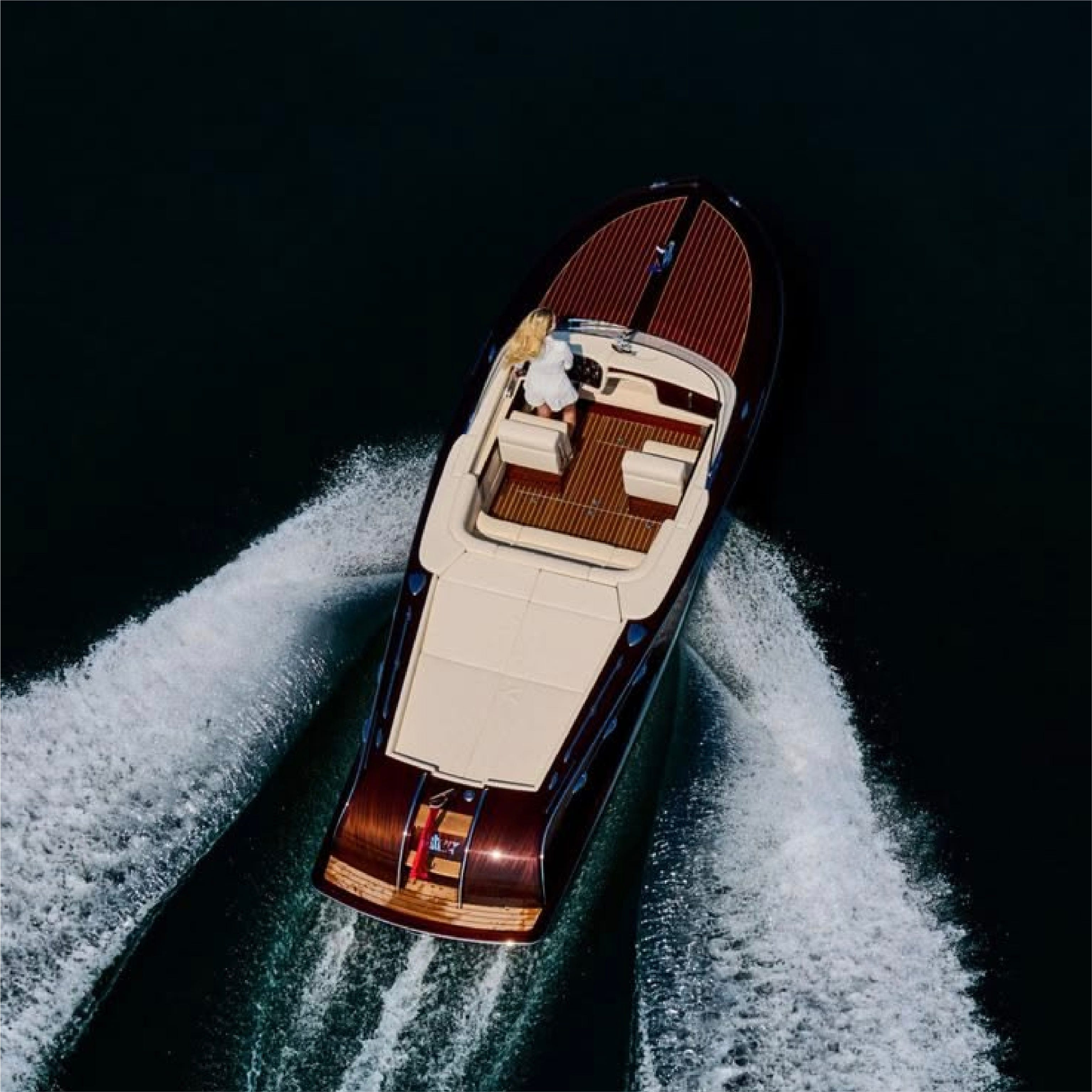
Luxury travel never really sold the destination. It sold a promise: turn up, and it will be exactly as advertised. Sun on schedule, safety at the border, and no “influencers” snapping pics with you looking your worst in the background. For most of the last 80 years, that promise mostly held. Right now, the traditional routes are fractured in three different ways, which all layer up into one issue.
Initially, we can see the routes to destinations are moving due to war. Turkey isn’t even a combatant in this year’s Iran war, and it’s still lost around 80% of its Gulf visitors since the conflict began, and foreign demand is still roughly 30% below normal. The Gulf itself was forecast to grow 13% this year, but instead it's now projected to go down 11-27%.
Meanwhile, British Airways has suspended flights into eight Middle East cities, including Dubai, Abu Dhabi and Doha, with some routes cancelled into October, so “safest city in the world” is not a line Dubai will get to use for a while. Q1 passenger traffic is way down. March saw a 66% drop in passenger numbers, and hotel cancellations hit 60% within 48 hours of the initial strikes.
In the wake of that, Anguilla's visitor numbers are up 11% this year, and search interest in Sint Maarten has jumped 133% year-on-year, making it the fastest-growing international destination in the current booking data.
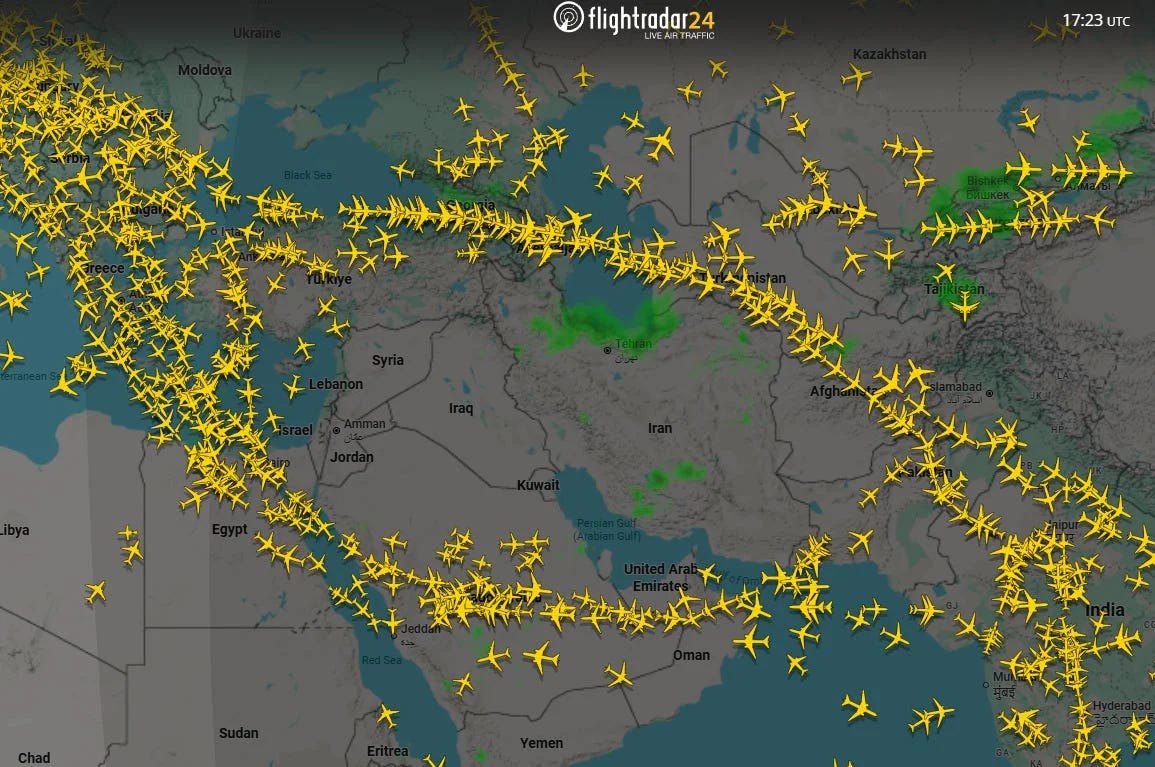
The other way war is reshaping how the wealthy travel is how Iran and Russia have blocked out airspace, so international air traffic is being squeezed through a narrower corridor between the Black and Caspian seas, or sent the long way round via Saudi Arabia, adding 2 to 5 hours onto more than 40 routes. In addition to longer flights, Jet fuel roughly doubled once the Strait of Hormuz closed. Going from roughly $85–90 a barrel to $150–200, and Qantas, SAS and Air New Zealand have all passed that cost straight onto the ticket price instead of absorbing it. Private jets don’t escape it either: insurers are charging up to $50,000 per flight in “war risk” premiums just to land in parts of the Middle East. So no, nobody’s gone off Dubai or Istanbul. Getting there got slower, pricier, and less insurable. Routes are shifting because of unreliability and cost. Interestingly, you can see it in how wider luxury goods’ balance sheets are affected by it, with LVMH’s fashion and leather goods division down 9% in a single quarter, which it blamed squarely on lack of tourist spend.
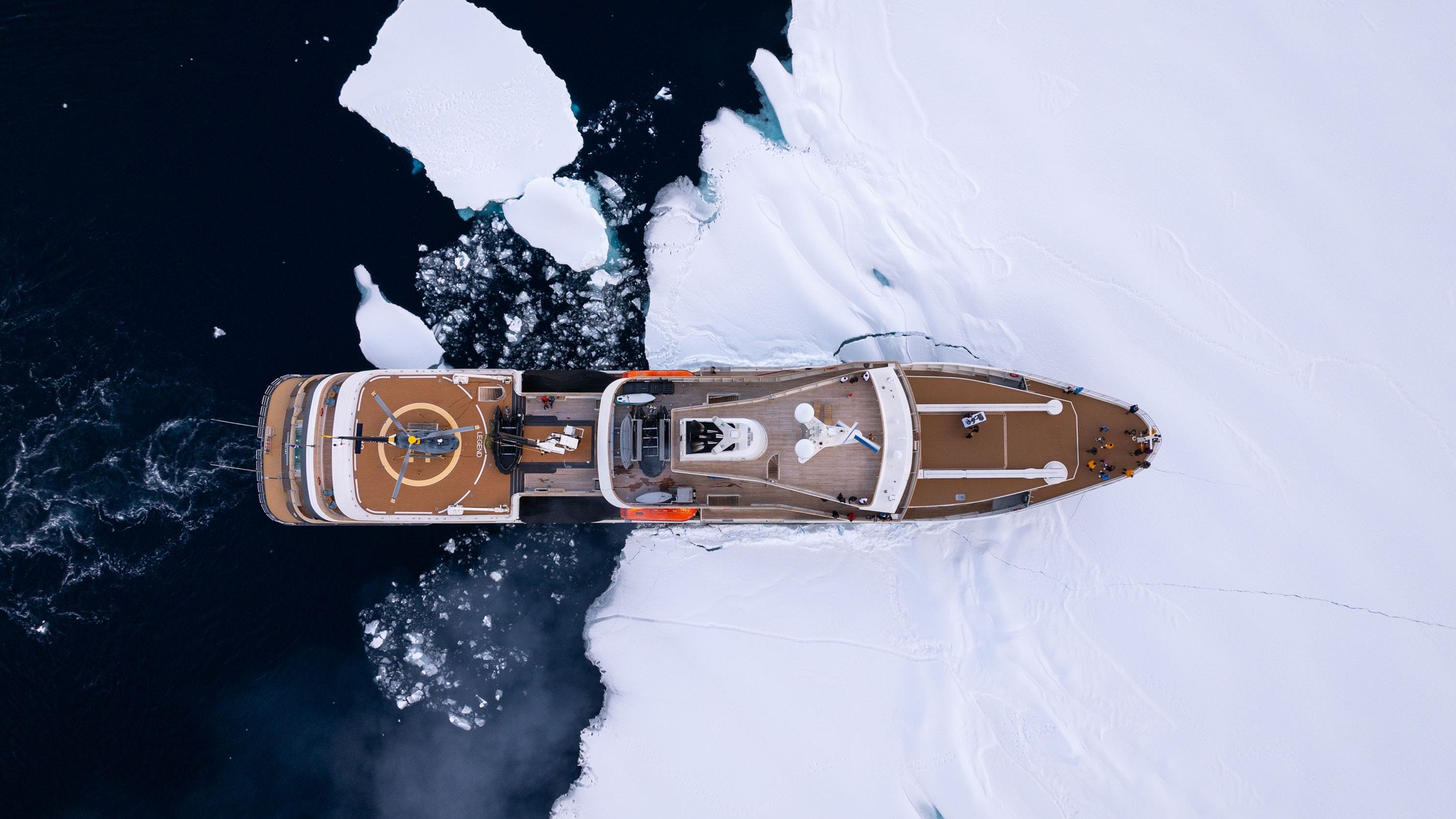
Another side to this is climate, luxury sells reliability and certainty, a beach holiday to the Caribbean was a guarantee of sun on schedule, a ski holiday to the Alps was a guarantee of snow. Luxury sold the promise of a location behaving exactly as expected. That guarantee is breaking down. Lapland hit near ‑40°C in January and stranded travellers. France, Spain and Italy all broke 40°C with red alerts through June, snarling transport and shutting attractions that don’t have the infrastructure for that kind of heat. 68% of luxury American travellers now say climate risk actively shapes where they book. Despite that, comprehensive travel insurance sales are at a seven-year low while the average summer trip has crept past $9,000. People are paying more for something less likely to deliver what it promised, and insuring themselves against disruption less than ever.
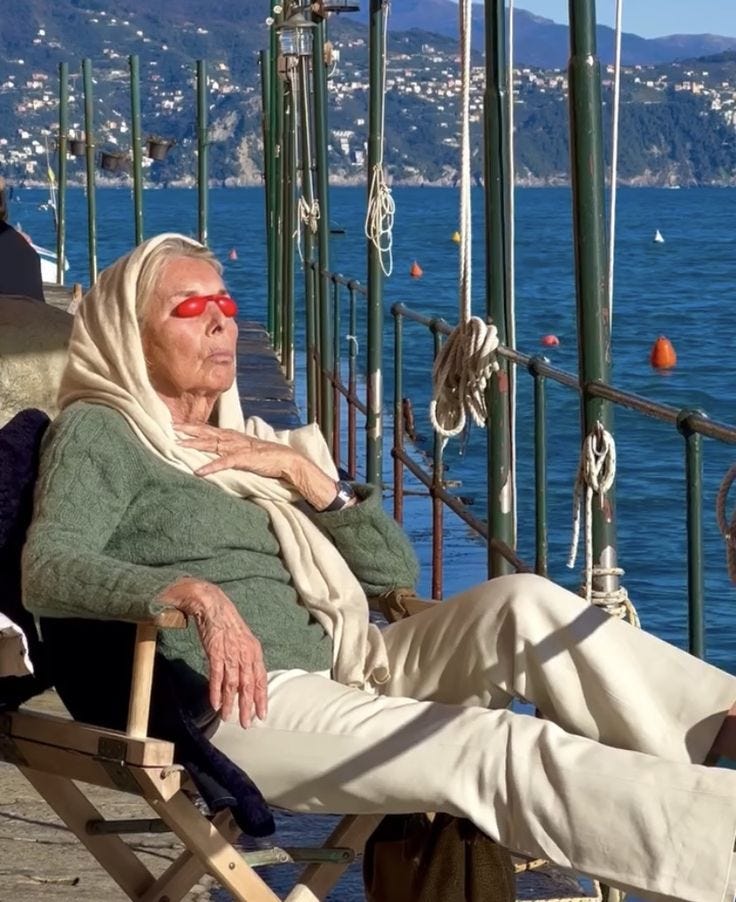
The third fracture is the buyer. An estimated $54 trillion is about to pass from husbands to wives, specifically, for the simple reason that women outlive men. Additionally, for the first time in history, women now spend roughly a third of their lives post-menopausal, a life stage that drives its own demand for treatment and management.
That money is landing on a market already built to receive it. “Longevity and wellness travel” has become a named, funded category worth around roughtly $11 billion this year, growing about 13% annually, with clinics like Biograph charging $7,500 - $15,000, which covers diagnostics, IV drips and blood panels.
Combine that with "hushpitality": privacy and an if-you-know-you-know status overtaking visible spending as the thing that actually signals wealth, and even a growing appetite for being offline, since logging off has quietly become its own kind of flex.
This all paints a picture of the buyer profile for the next decade of luxury travel: increasingly female, increasingly wealthy in her own right, shopping for longevity, wellness, and discretion.

Luxury travel’s implicit promise has always had two halves: it will go exactly as planned, and it will mark you out as someone who got something others can’t. War and climate attack the first half from two different angles. War breaks whether you can even get there at a stable price, and climate breaks whether it behaves as promised once you land, but they’re both hitting the same target: reliability. That’s a crisis luxury could theoretically route around. Bunker the hotel, charter the jet, buy better insurance. Difficult, but solvable.
The buyer shift entrenches the change rather than being just a rough patch, because it’s not a third disruption sitting alongside the other two. If the buyer still wanted what they’ve always wanted (a trophy destination, a place that says “I was there”), the industry could just spend its way back to reliability. Instead, the two reliability failures and the changing buyer are a pincer: reliability breaking at the exact moment the customer stops needing the thing reliability was in service of.
Which is why “invest domestically, stop opening pop-ups abroad” is the wrong solution. It’s a real estate answer to a brand question. It tells you where to put a shop. It says nothing about what the shop is meant to promise, or to whom. The real question is smaller and much harder: what can a luxury brand still guarantee when the weather won’t cooperate, the airspace won’t cooperate, and who is it actually promising that to, given the person buying is turning into a profile the industry has mostly ignored. There are astonishingly few luxury travel brands built explicitly for wealthy older women. The brands that honour the new consumer and the new drivers, will win the next few years.