


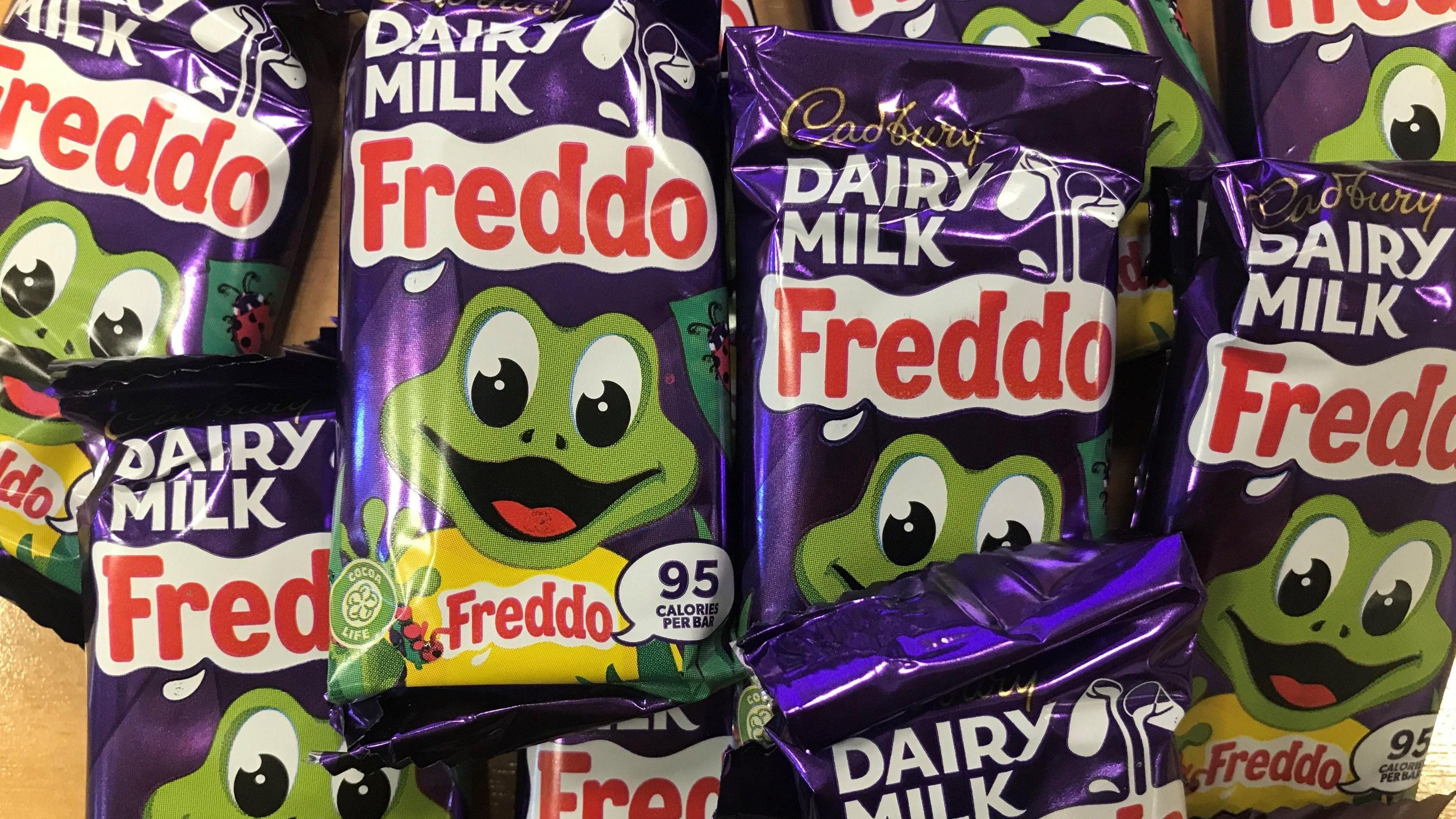
Everyone in the UK has a Freddo memory. Getting one with their pocket money. Finding one in their lunchbox. Handing over a coin at the corner shop.
And now Freddo costs 35p, it used to cost 10p. Freddo’s price rise has outpaced official UK inflation by a country mile. It’s also smaller, 20g to 18g. What I think really annoys people about it, is that there was never an announcement. No explanation. It just happened. Everyone chalked it up to corporate greed, and it left a sour taste in our mouths that couldn’t be fixed by chocolate.
Freddo is the mascot for something much bigger: a decade of brands making thousands of small, optimised decisions to give people less while charging them more. Shrinkflation.
In 2026, the question we keep asking in brand is why consumers are so hard to hold. Why Gen Z won’t commit. Why loyalty is collapsing. We should be asking what we’ve given them to be loyal to?
Here’s the thing about shrinkflation in particular: it operates on a flawed assumption. As Chandramouli Nilakantan, CEO TRA Research, puts it “brands believe consumers are more resistant to visible price increases than to subtle reductions in size or quality, especially for low-priced, high-frequency products.” That assumption is wrong. While consumers may not clock the changes right away, awareness builds steadily over time, particularly in categories with habitual use and familiar packaging. You know what a Freddo feels like in your hand. You know what a Quality Street tin sounds like when it’s full.
Loyalty is not a transactional phenomenon. It involves, as Nilakantan describes it, a complex cognitive-emotional mix of confirmation bias, cognitive dissonance, and the psychological commitment that becomes part of a consumer’s self-identity. Once trust is integrated into someone’s worldview, any violation, especially from a long-trusted brand, triggers a disproportionately strong emotional backlash. They have been betrayed.
Cadbury fans, similarly, have integrated that brand into their self-concept. Into their childhood. Into their Christmas. So when the bar gets smaller without warning, the outrage is always disproportionate to the size of the change. It’s not about 10 grams. It’s about what 10 grams represents. The other problem is that it’s a pattern.
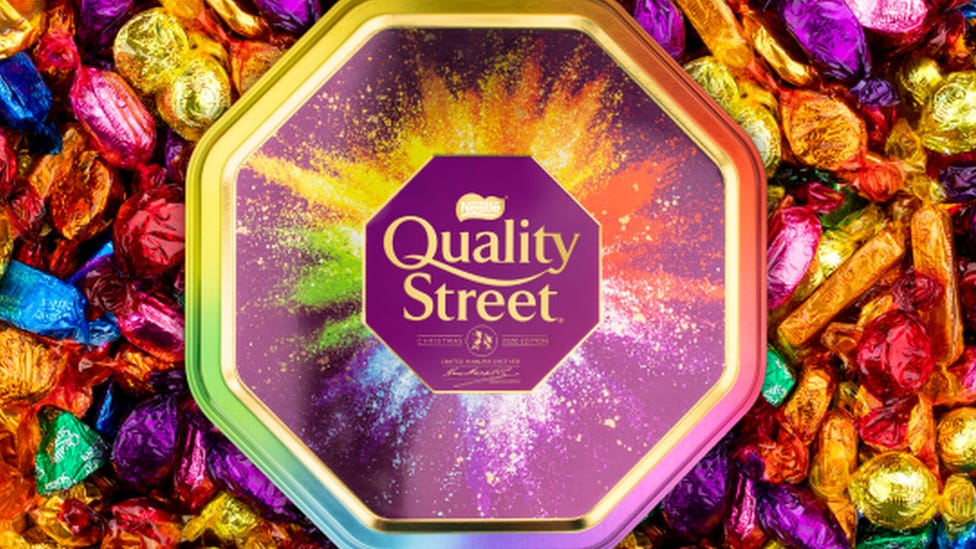
A pattern most notable in Quality Street.
Quality Street is a Christmas ritual. The tin going round the room, the wrappers mixed with wrapping paper, the personality test of whether you eat the green triangle or not. In 2013 you got 789 grams for roughly what you pay today, according to the Jersey Consumer Council. Now you get 600. The tin has been cut from 1kg to 820g to 720g to 600g, that’s a 17% reduction in the last cut alone, confirmed by Nestlé. And someone on TikTok was counting last year. 137 chocolates in a tin in 2006. 119 in 2009. 84 in 2016. 67 in 2024.
Yes, cocoa costs more. Yes, global trade is harder. But this felt less like a supply chain story and more like a slow, sustained decision to give people less while hoping they wouldn’t notice. While people would be frustrated and upset about the reduction. The main issue was nobody was told. Treating consumers like adults who will figure things out, who will literally sit down and count the chocolates, should be part of the strategy. Because they will count. They did count.
The business model
I’d love to argue this is just a few bad actors. However, in too many cases, it’s the business model.
Someone ran the numbers on a smaller Twirl multipack with one less bar. Someone signed off on the Quality Street tin at 600 grams. Someone decided that loyalty programme points would expire. These are optimised decisions across categories.
McVitie’s Digestives, down from 400 grams to 360, as reported by IBTimes UK. The humble digestive the builder’s tea biscuit. Penguin and Club multipacks lost a bar. The meal deal, once a simple, honest lunchtime contract, is now a two-tier upsell machine. Tesco’s standard deal has had multiple price rises since 2022, and the premium deal sits at £5 now. The premium tier gets positioned as the reasonable choice. People aren’t being given more options. They’re being funnelled upward out of something they used to just get.
Now there’s a commercial consequence to all of this. Private label is winning, and not because it’s cheaper, but because to the consumer it feels more honest. M&S launched a 1.2kg tub of chocolates in familiar colours and familiar flavours, specifically as an alternative to the perpetually shrinking branded tins. They didn’t undercut Quality Street on price. They out-Quality-Streeted them on quantity. What was once an extremely safe branded space is now contested territory. The threat was never the discount brand, it was the brand that could keep the tin full.

What this has actually done
None of these decisions alone would break a relationship. Brand loyalty runs deep, especially among Boomers, Gen X, and Millennials who built real affective bonds with these products over decades.
But incrementally, over years, these decisions have changed how people shop. Don’t trust the packaging. Don’t assume the weight. Check the unit price. Read the label. Once people have developed the habit of squinting at the shelf, they cannot unlearn it. The whole category pays for the behaviour of the worst actors. With just 8% of Brits describing themselves as truly loyal to their favourite brands, and 77% of consumers now retracting loyalty faster than they did three years ago. Brands no longer command loyalty. Consumers now expect brands to earn it continuously, and too many big brands have broken their side of that bargain.
A collab won’t fix it. Loyalty points only go so far. Rebuilding trust is slow, consistent work.
Radical transparency, what actually works?
The brands holding loyalty right now aren’t doing anything clever. They’re just not taking away from the experience. They kept the Quality Street tin full, and when they couldn’t, they said so.
That’s the whole strategy. Acknowledge the reality, explain the reason, and treat consumers like adults.
Tony's Chocolonely faced the same cocoa crisis as every other chocolate brand, cocoa prices up 233% on global markets. Rather than shrink the bar, they raised the price, published a full explanation on their website, and publicly committed to keeping the bar the same size. Sales went up.
So if your growth strategy involves gradually cutting what you offer while holding the price, the consumer who tolerated that is already moving. In a low-trust era, quality is a differentiator. Being good at what you do is a competitive advantage because the bar is on the floor. A smaller, sharper brand that keeps its promises will outlast a bigger one that doesn’t.
The brands that survive the next decade will be the ones that keep the tin full. Who remembered that Freddo is just a frog and Quality Street is just a tin of chocolate, but understood what they represent, and how they get counted.
In 2026, everyone is counting.